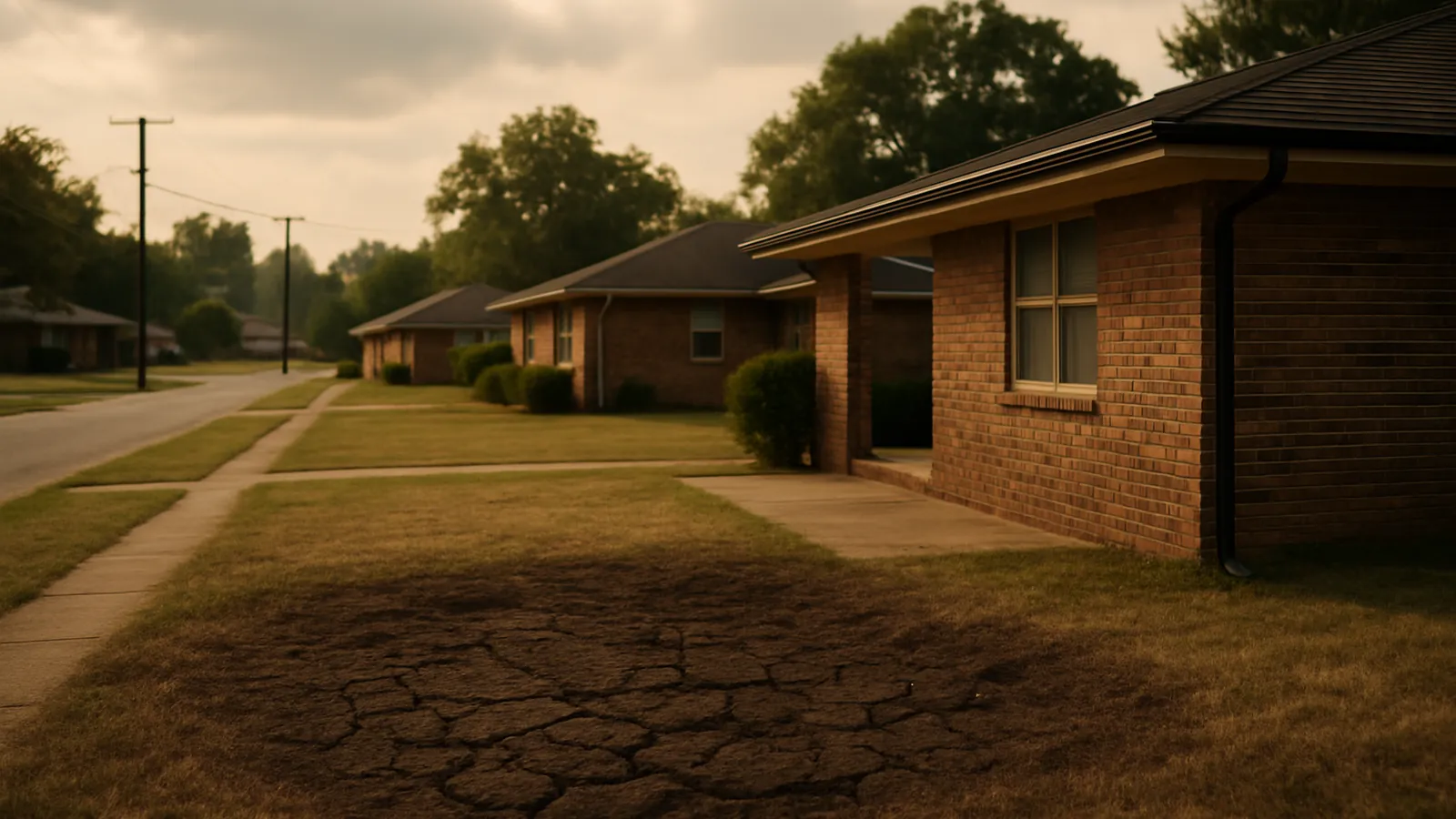
Most Wetumpka foundation repairs land between $4,000 and $15,000, set by pier count, foundation type, and how much drainage correction the lot needs. The driver here is expansive clay cycling between saturated winters and dry late summers. The evaluation, with photos and floor levels, is free.
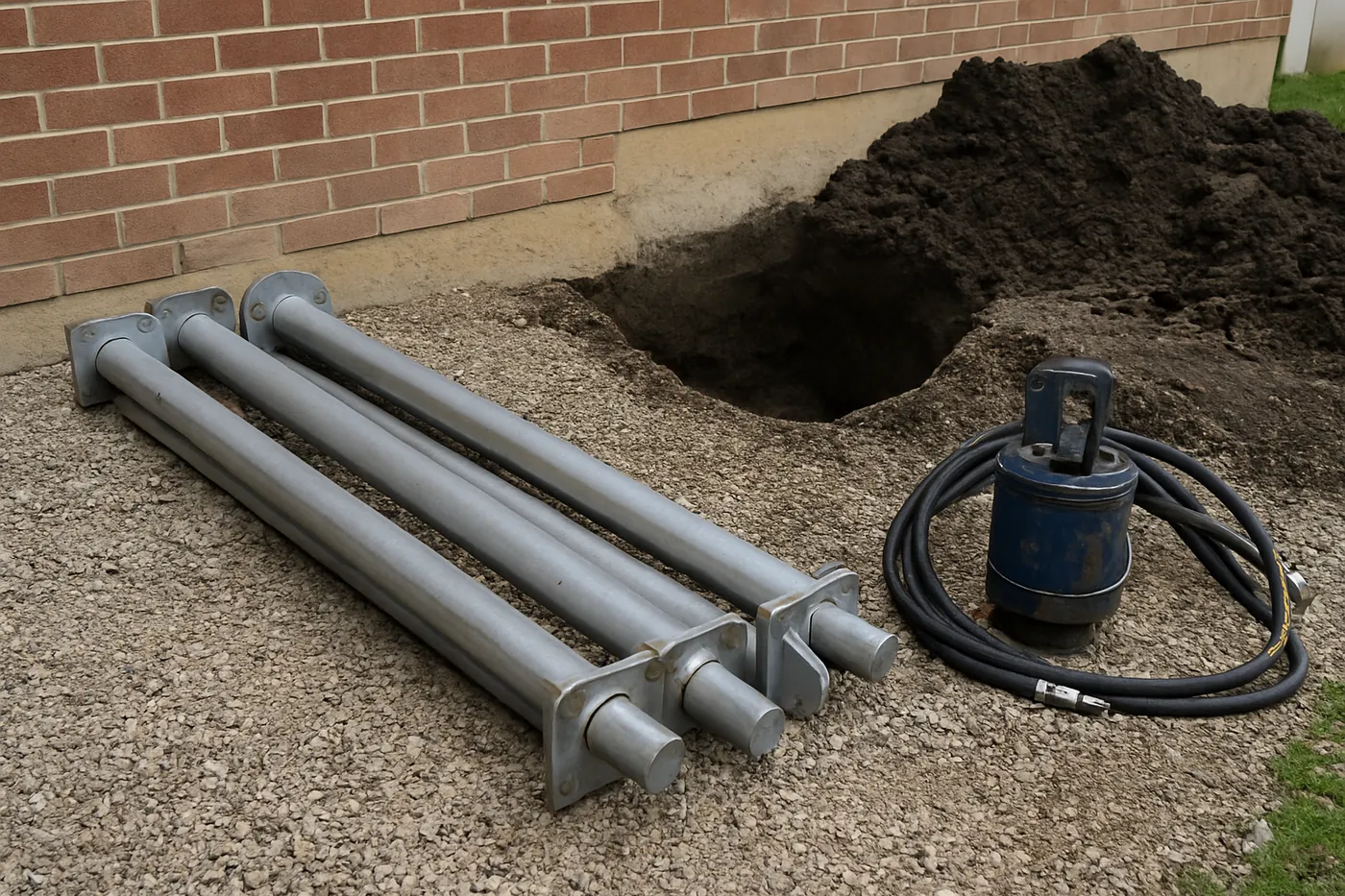
Building on the edge of a crater
Wetumpka sits on one of the more geologically distinctive spots in the Southeast: the eroded rim of an ancient impact structure, where the normal layered bedrock of central Alabama was disturbed and rearranged. The practical consequence for foundations is variability — soil and rock conditions can change meaningfully across a short distance, so what a neighbor's house needed is a weaker predictor here than almost anywhere else we work.
That makes per-lot measurement more important, not less. Pier depth to refusal can differ substantially between two houses on the same street, which is exactly why our scopes log refusal pressure per pier rather than quoting a standard depth. On Wetumpka lots we plan for that variability in the estimate and explain it before the crew arrives.
Coosa River lots and seasonal moisture
Properties on the river side carry higher and more variable soil moisture year-round, which changes the shape of the problem: less of the extreme dry-season shrinkage that drives settlement elsewhere in the metro, more sustained dampness against foundations and crawl framing. Repairs here lean toward drainage design and moisture management, with structural work scoped where the survey actually shows movement rather than as a default.
Asked in Wetumpka
Does the impact crater actually affect my foundation?
Indirectly but genuinely: it makes soil and rock conditions more variable across short distances than in typical central Alabama. Practically, that means what your neighbor's house needed predicts less about yours, and pier depth to refusal can differ substantially street to street. We plan and price for that variability rather than assuming a standard depth.
We're close to the Coosa. Different problems?
Somewhat. River-adjacent lots hold higher and steadier soil moisture, which reduces the extreme dry-season shrinkage that drives settlement elsewhere in the metro but increases sustained dampness against foundations and crawl framing. Scopes here lean toward drainage and moisture management, with structural work where the survey actually shows movement.
What does a Wetumpka evaluation typically find?
Most often a mix: some genuine movement, and a water pattern feeding it. Because the geology varies so much locally, the laser floor survey does more diagnostic work here than the visible cracks do — houses that look alarming sometimes measure fine, and vice versa.
Can you work on hillside lots above the river?
Routinely. Slope lots need the water path walked before anything structural is scoped, because runoff arriving with momentum concentrates where the grade sends it. Interception upslope usually costs less than fighting the same water at the foundation wall, and it appears first on our scopes for that reason.
What happens after you call
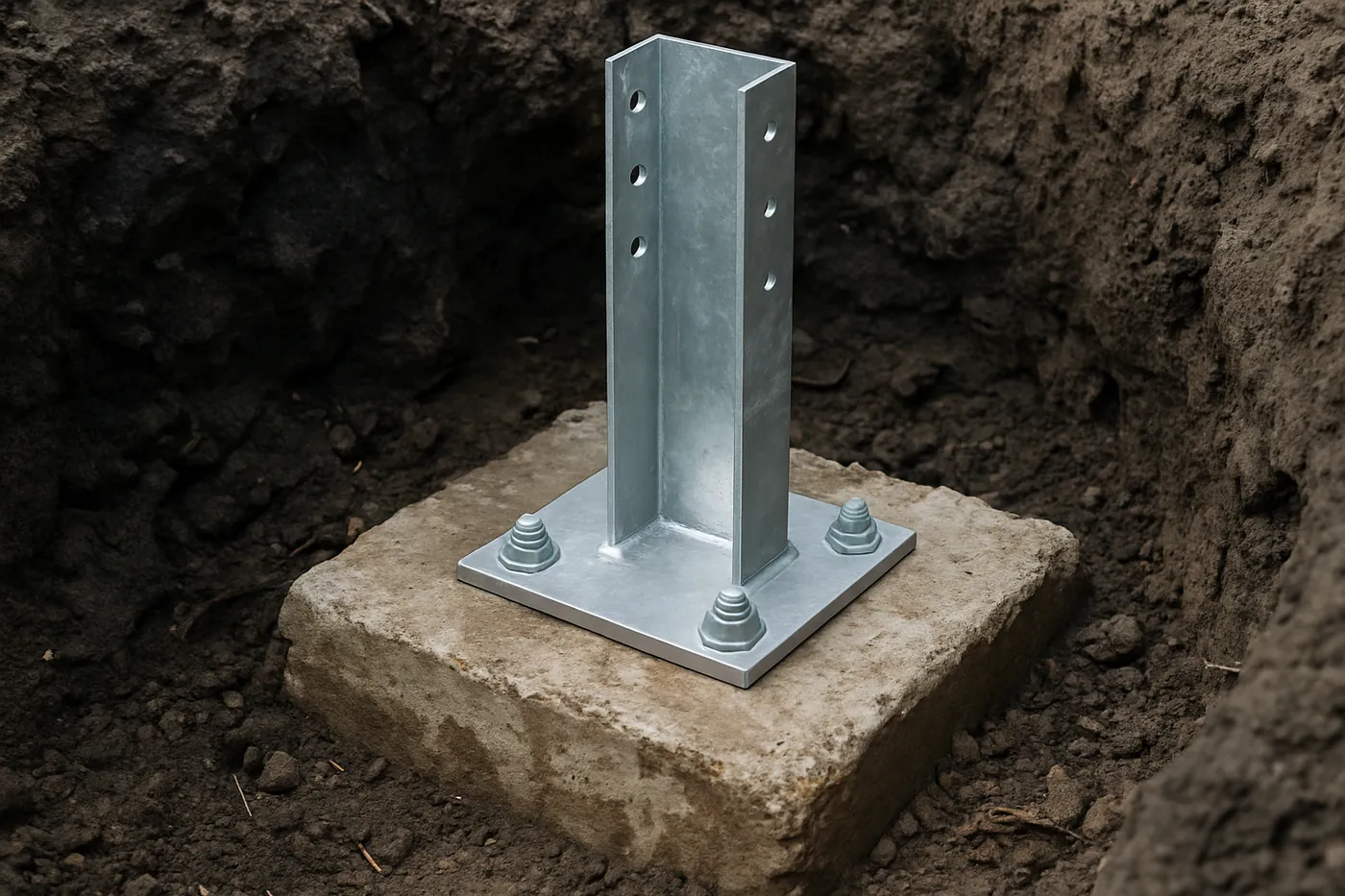
We measure Wetumpka houses before we price them: crack widths, floor elevations, grading, and downspouts. You get a written scope with fixed line prices — and an honest "watch it" when that's the finding. See the cost guide or the full service list.
Get a free Montgomery foundation evaluation
Tell us what the house is doing — stair-step cracks, doors that stick every August, sloping floors, separating trim — and we’ll schedule an evaluation with photos and measurements. We reply the same business day.