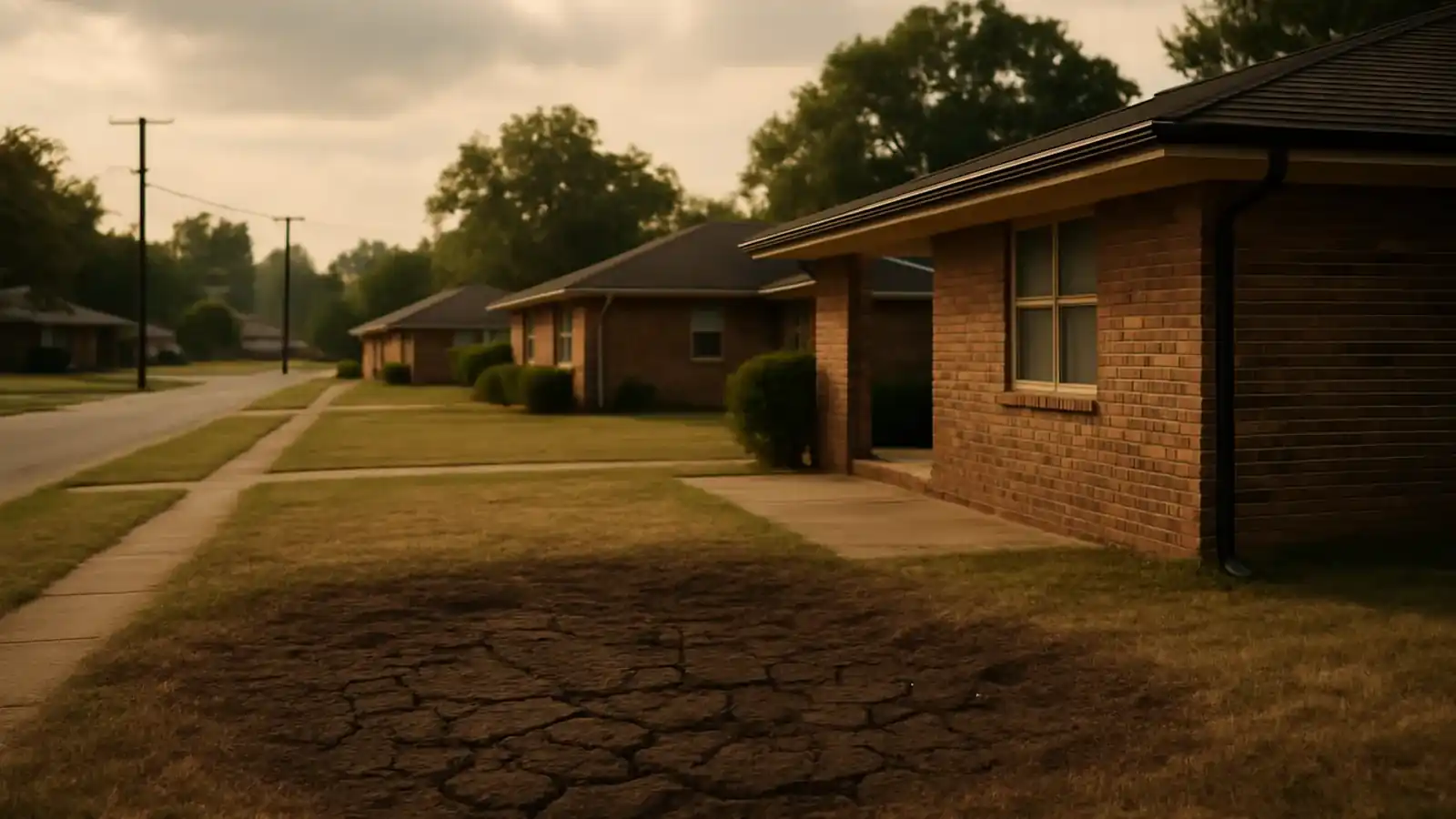
Most Troy foundation repairs land between $4,000 and $15,000, depending on pier count, foundation type, and the drainage correction the lot needs. In a university town with a large rental stock, the common problem is clay movement nobody reported until it widened. Ask whether the evaluation, with photos and floor levels, is charged when the specialist calls.
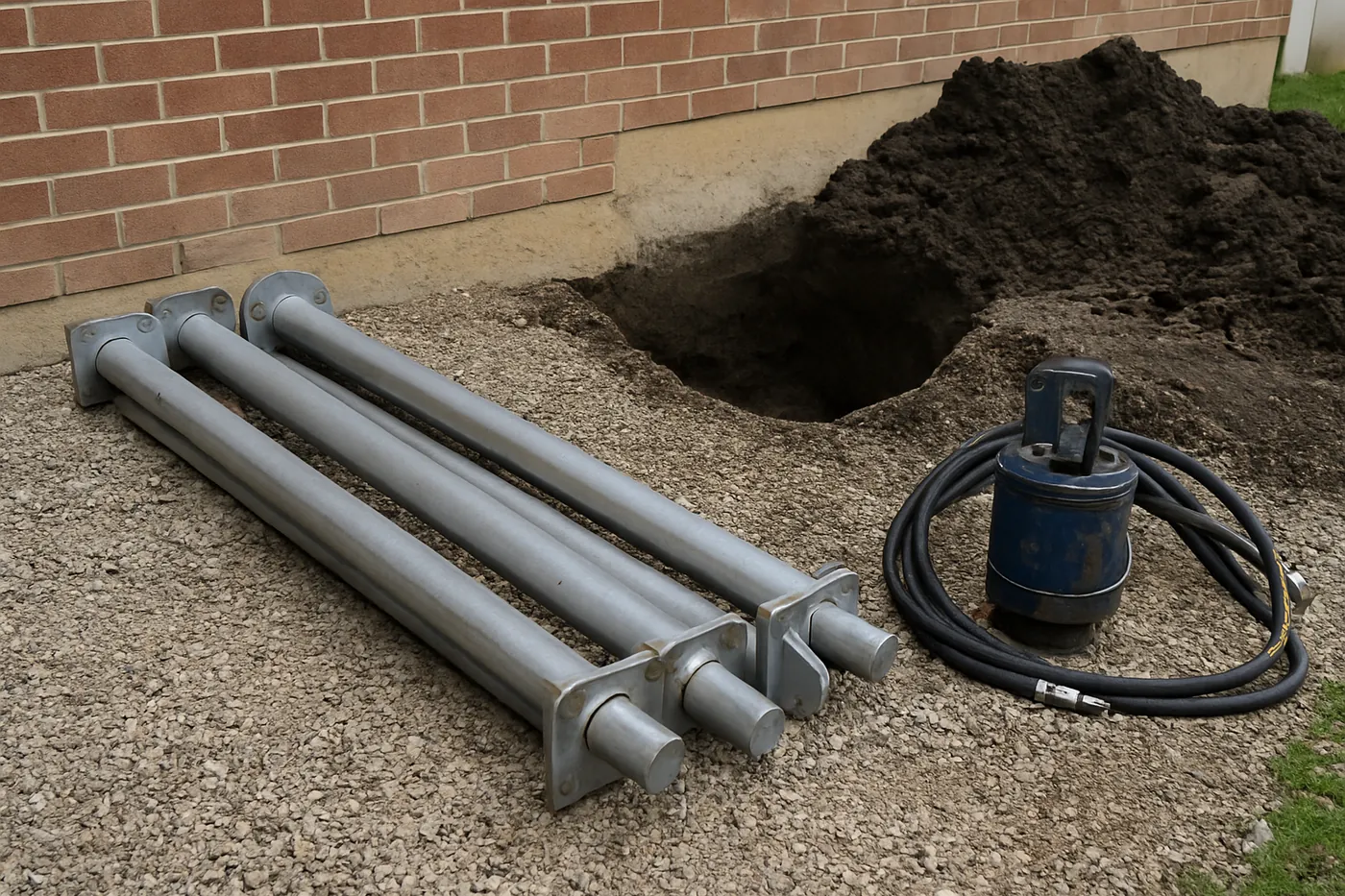
South of the Black Belt's core
Troy sits far enough south that its soils differ meaningfully from Montgomery's: less of the extreme vertisol behavior that defines the Black Belt proper, more variable ground with sandier components in places. Foundation problems here still trace largely to moisture and drainage, but the seasonal amplitude tends to be lower, which changes the specification. Piers may reach stable bearing sooner, and drainage-only solutions succeed more often than they would farther north in the Black Belt.
That's a genuine cost advantage for Troy homeowners, and it's worth stating plainly because it runs against the sales instinct: a smaller scope is frequently the correct scope here. The evaluation measures rather than assumes, and the written report is willing to recommend watching and monitoring where the numbers support it.
Rental stock and absentee owners
A university town carries a large rental population, and rental properties have a particular foundation risk: problems get reported late, because tenants notice a sticking door long before anyone tells the owner. For landlords and property managers, an annual walk-through with a laser level is cheap insurance: catching a quarter-inch of differential settlement while it's still a drainage fix rather than a pier job. Ask for those inspections to be priced as inspections, not as sales calls.
Troy homes by decade
The Census Bureau's 2020-2024 American Community Survey counts about 8,270 homes in Troy, with a median build year of 1987. No single decade dominates: the 2010s, 1970s, 1990s, 2000s and 1980s each hold between about 12 and 15%. About 42% predate 1980 and about a third date from 2000 or later. That spread is typical of a university town, where older houses near campus sit beside newer rental complexes and subdivisions.
Troy's code and flood ordinance
Troy's Inspection Department enforces the 2021 International Residential Code, in effect since January 1, 2022, and says construction projects require foundation, rough-in and final inspections. The city's flood development ordinance applies National Flood Insurance Program rules in Special Flood Hazard Areas, and flood zone questions go to Planning and Community Development. Ask the Inspection Department before pier work whether a permit and a foundation inspection apply.
Asked in Troy
Is Troy soil as bad as Montgomery's?
Generally less extreme. Troy sits south of the Black Belt's core, with more variable and in places sandier ground, so the seasonal swelling amplitude tends to be lower. That often means piers reach stable bearing sooner and drainage-only solutions succeed more often: a genuine cost advantage worth stating plainly.
Does that mean I need less work than a Montgomery house?
Frequently, yes, and a good specialist will say so rather than sell the bigger scope. The evaluation should measure instead of assuming, and on Troy's ground drainage correction or monitoring is more often the answer than extensive piering. When structural work is genuinely needed, the numbers on paper show why.
I own rental property in Troy. How should I stay ahead of this?
An annual walk-through with a laser level is the cheapest insurance available. Tenants notice sticking doors long before owners hear about them, and catching a quarter-inch of differential settlement early frequently means a drainage fix instead of a pier job. Ask for those inspections to be priced as inspections, not sales calls.
What does foundation repair cost in Troy?
The same published ranges apply ($4,000 to $15,000 for most full repairs, piers $1,200 to $3,000 each) but Troy jobs can land toward the lower end when the soil demands less. Your evaluation produces the actual number in writing.
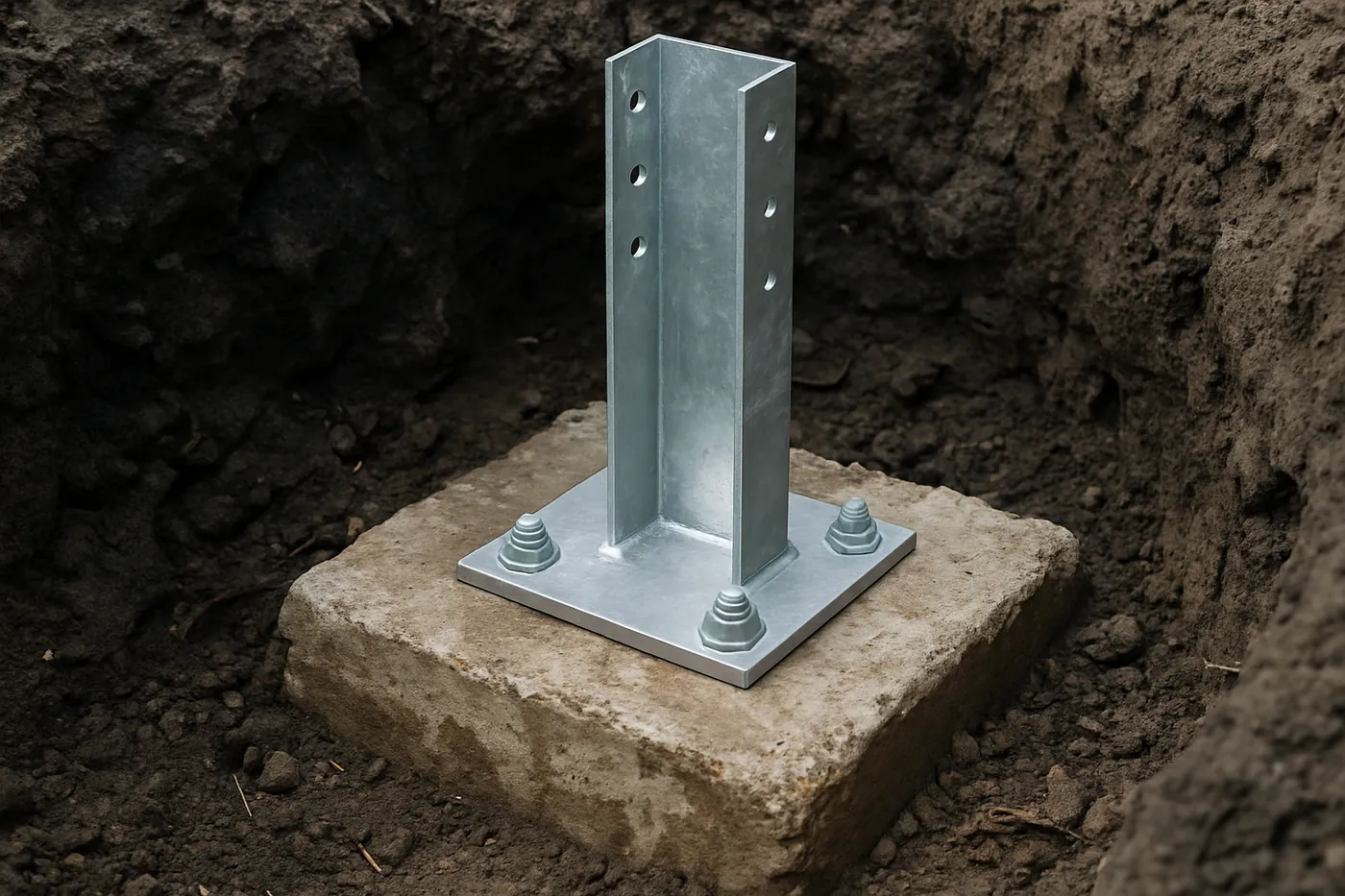
What a Troy visit should cover
For a Troy house, ask the specialist to record crack widths, floor elevations, the slope of the yard and each downspout outlet before naming a price. Landlords can ask for the report to be written so a property manager can follow it. Expect a "monitor it" when that is the honest finding. See the cost guide or the full service list.
Get a Montgomery foundation evaluation
Tell us what the house is doing (stair-step cracks, doors that stick every August, sloping floors, separating trim) and we'll pass it to one independent local specialist for an evaluation. A local specialist who works in Montgomery will call you back.