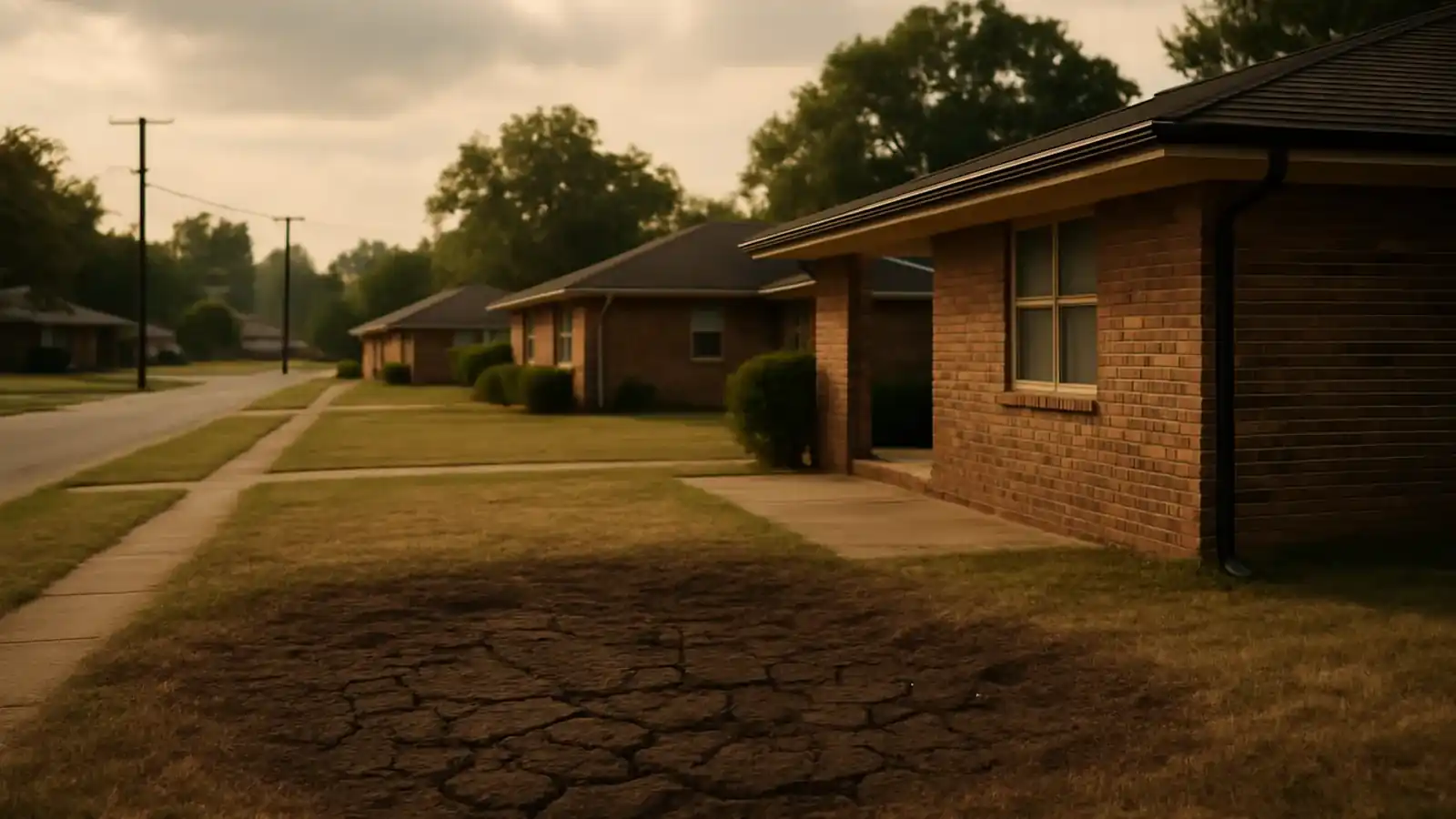
Clanton homeowners pay $4,000–$15,000 for most structural foundation repairs, from about $400 for a single crack injection. More than half the city's houses predate 1980, and older footings on clay that shrinks in dry spells are behind much of the cracking a measured evaluation looks for.
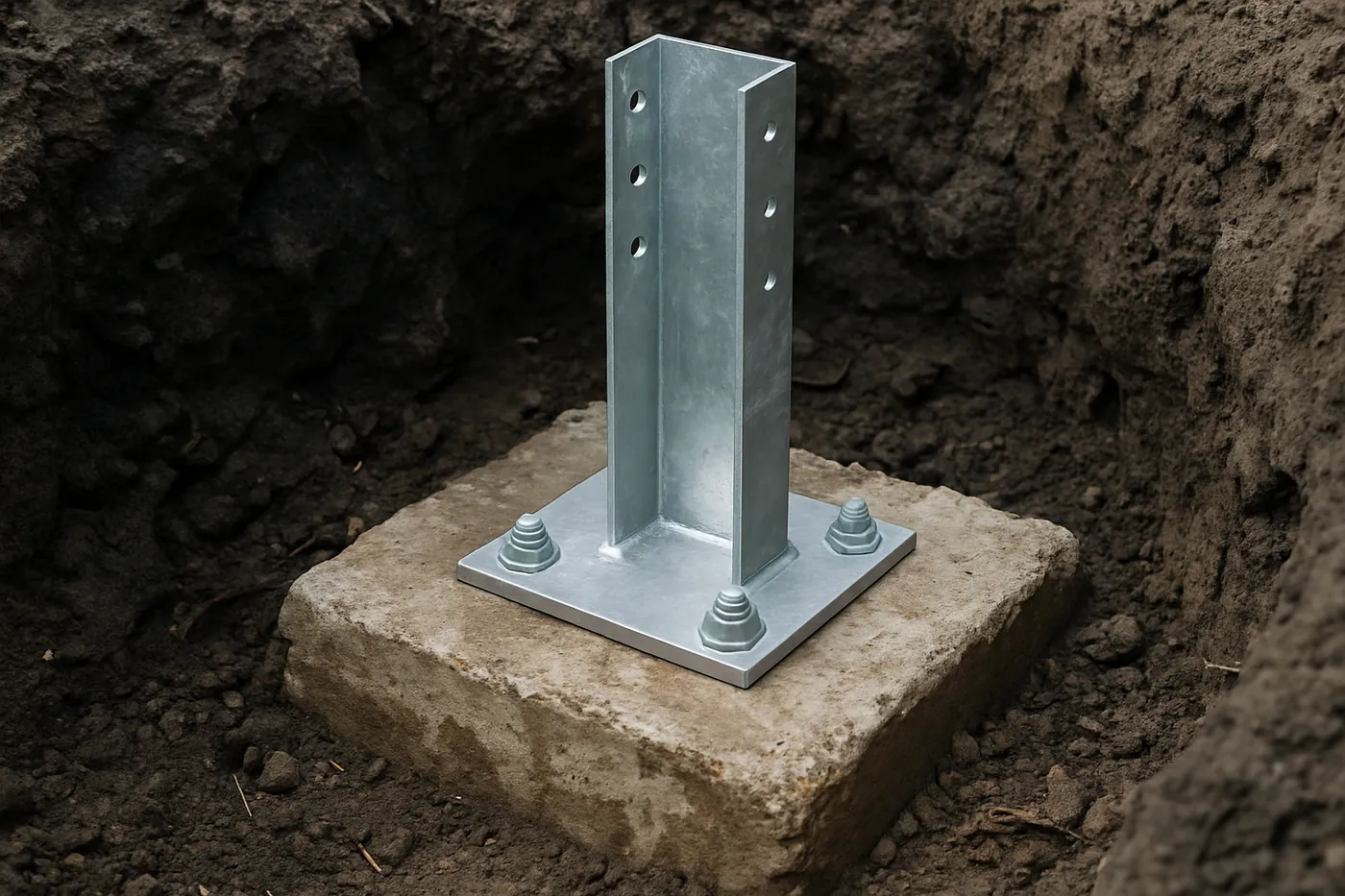
A soil transition runs through this county
Clanton sits near a genuine geological boundary: the Black Belt's expansive clays to the south giving way to the sandier, more variable soils of the Alabama upland to the north. That transition is the single most useful fact for a foundation evaluation here, because a lot's position along it predicts the failure mode. Clay-side properties present the classic seasonal swell-and-shrink settlement. Upland-side properties drain faster and move less, and their foundation problems more often trace to drainage, fill, or construction issues than to soil chemistry.
Two houses a few miles apart can therefore need genuinely different scopes, and a contractor applying one template across the county will overspecify many of them. A good evaluation reads the ground before the crack, and when the honest answer is that a Clanton house has a downspout problem rather than a foundation problem, that's what the written report should say.
Highway-corridor growth and its fill
Development along the I-65 corridor brought newer construction on graded ground, and those properties carry the fill-consolidation question familiar from the metro's growth suburbs. The distinguishing test is the same: fill settlement slows over time while clay movement cycles with the seasons, and one marked, dated crack observed across a full year separates them for free.
Clanton's housing, by decade
The Census Bureau's 2020-2024 American Community Survey counts about 4,000 homes in Clanton, with a median build year of 1977. The 1970s were the largest decade, at about a fifth, the 1960s add about 16%, and roughly one home in ten predates 1940. In all, about 56% went up before 1980, while a little over a quarter date from 2000 or later along the growth corridor. Older footings are the everyday case in town.
Walnut Creek and the city's permit rules
The USGS keeps a gauge on Walnut Creek above Clanton, and lots that drain toward the creek and its branches are the ones most likely to hold water after storms. Clanton's permit requirements say a permit is needed to construct, enlarge, alter or repair a structure, list the 2021 International Residential and Existing Building Codes, and ask new residential applications for a footing and foundation plan and a site drainage plan. Ask the Building Department whether pier or wall work needs a permit before it is booked.
Asked in Clanton
Which soil is my Clanton house actually on?
That's the first thing the evaluation determines, because Chilton County straddles a real boundary: Black Belt clay to the south, sandier upland soils to the north. Clay-side lots present classic seasonal settlement; upland lots drain faster and more often have drainage or fill problems rather than soil-chemistry problems.
Does that mean repair costs differ across the county?
It can, meaningfully. Upland properties more frequently resolve with drainage work alone, while clay-side properties need the deeper structural specification. A contractor applying one template county-wide will overspecify many of them. A good scope reads the ground first and is willing to recommend the smaller fix.
We're near I-65 in newer construction. Different issue?
Likely the fill question rather than the clay question. Corridor development graded a lot of ground, and engineered fill consolidates on its own schedule. The distinguishing test is free: mark and date the crack, then check it after a full wet-dry cycle, fill settlement slows, clay movement breathes.
Is it worth getting an evaluation if nothing is cracking yet?
If you're seeing doors stick seasonally or floors feel off, yes: the laser survey quantifies what you're sensing and creates a baseline. If nothing at all is happening, monitoring on your own is genuinely fine, and a good specialist will say so rather than manufacture urgency.
Next step for your Clanton house
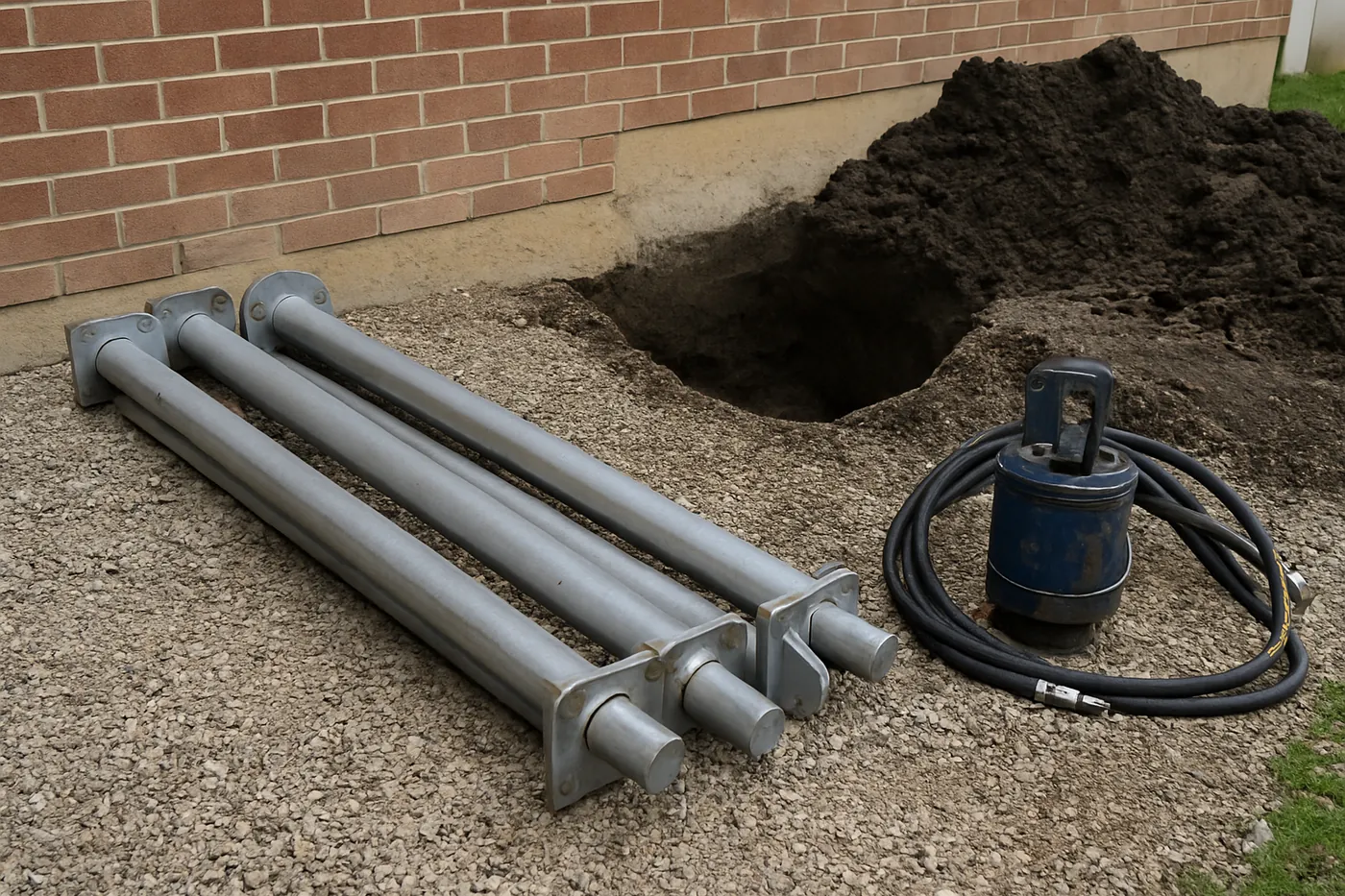
Pencil a mark and a date at each end of the crack so you can see whether it grows. The evaluation runs about an hour, and the written report should give floor elevations and note where water sits around the house. Price ranges are in the cost guide, and Chilton County's neighbors are under service areas.
Get a Montgomery foundation evaluation
Tell us what the house is doing (stair-step cracks, doors that stick every August, sloping floors, separating trim) and we'll pass it to one independent local specialist for an evaluation. A local specialist who works in Montgomery will call you back.