
In Montgomery, lifting a sunken slab usually costs $500–$2,500, a fraction of what tearing it out and pouring new concrete would cost. Foam is pumped in through holes about the size of a penny, raises the slab back to level, and hardens within minutes, so most driveways are back in use the same day.
Here's why Montgomery slabs drop, and when lifting is the right call.
Why slabs sink around Montgomery houses
Driveways, patios, walks and porch slabs rest straight on the ground with no footing under them. On Black Belt clay that means they move with every season: lifting a little as the clay swells over the winter, then sinking as a dry August draws the water back out. Next to the house there is also the backfilled trench dug for the foundation, which keeps compacting for years after the build. Together those produce the two patterns seen most in Montgomery: driveway panels that step down at the joints, and patios or porch slabs that tip back toward the wall.
That tilt matters beyond appearance. A patio pitched toward the foundation delivers every rainfall directly to the wall: feeding the same moisture cycle that damages the structure. Leveling it corrects drainage and appearance in the same visit.
How the lift works
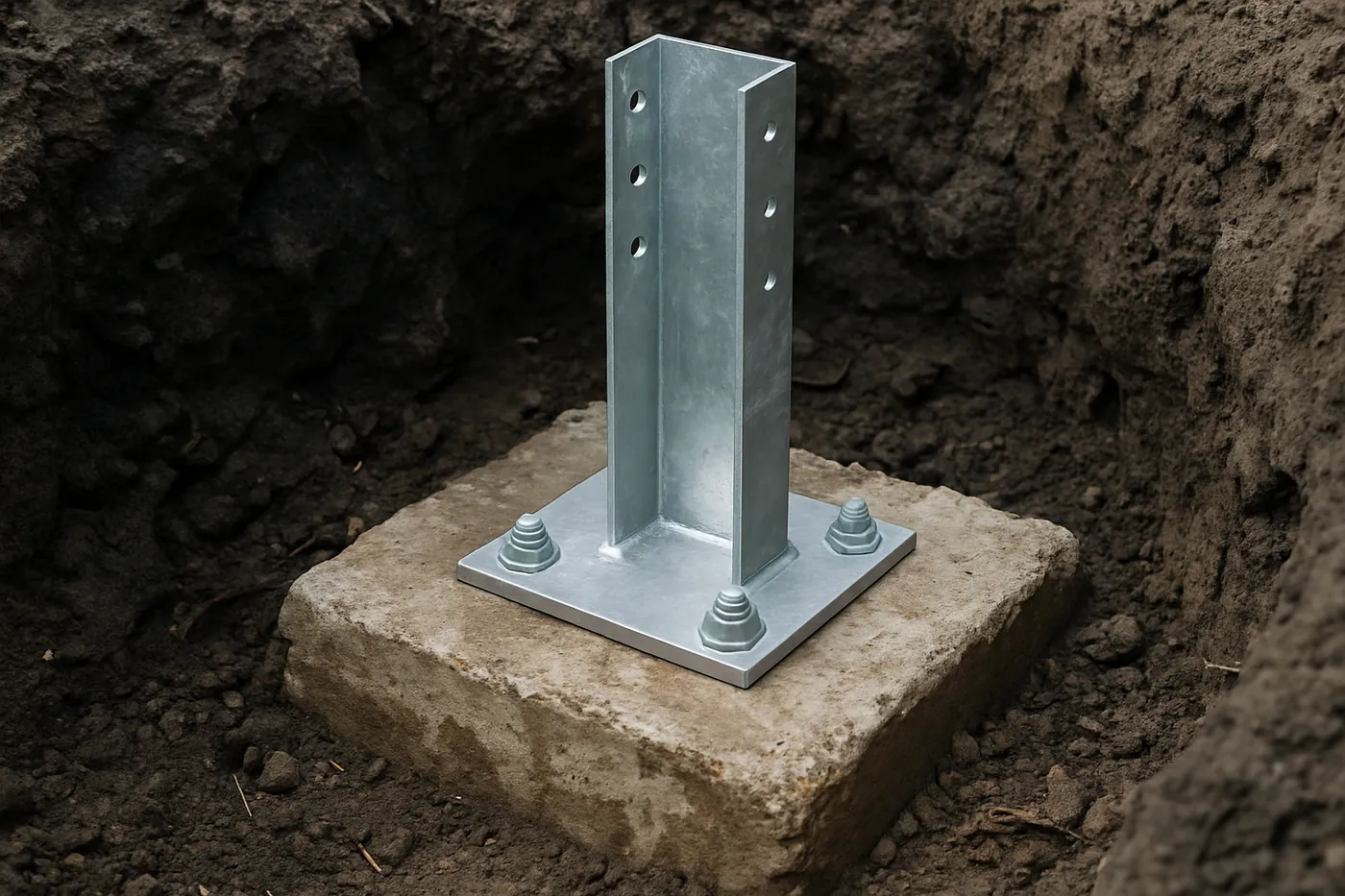
Small holes, about the size of a penny, are drilled through the concrete, and structural polyurethane is pumped underneath. It expands into the empty spaces and raises the slab a little at a time while a level line is watched. When the slab is back to grade, the holes are filled flush.
The weight is the point on this soil. Foam weighs a small fraction of the mudjacking slurry it replaced, and Black Belt clay has already demonstrated that it moves under load: adding several tonnes of wet slurry to hold a slab up is an argument the ground eventually wins.
Timing on expansive clay
Slabs that heave and drop seasonally get lifted after the ground has finished its dry-season contraction, not in the middle of it. Lifting a slab that the clay is still actively moving is paying to do the job twice, and a good specialist will schedule around it rather than take the money early.
Lift it, support it, or replace it?
Black Belt vertisols move more than almost any soil in the Southeast, and flatwork rides on top of every swing. The panel that dropped by August often started moving in the wet winter before it.
| Option | What it does | The local deciding factor |
|---|---|---|
| Foam injection | Ports drilled, expanding foam raises the panel | Quick on panels the clay has let down after a hard dry summer |
| Slurry pumping | A cement mix floats the slab back to grade | Suits long driveway runs where the swing has opened broad shallow voids |
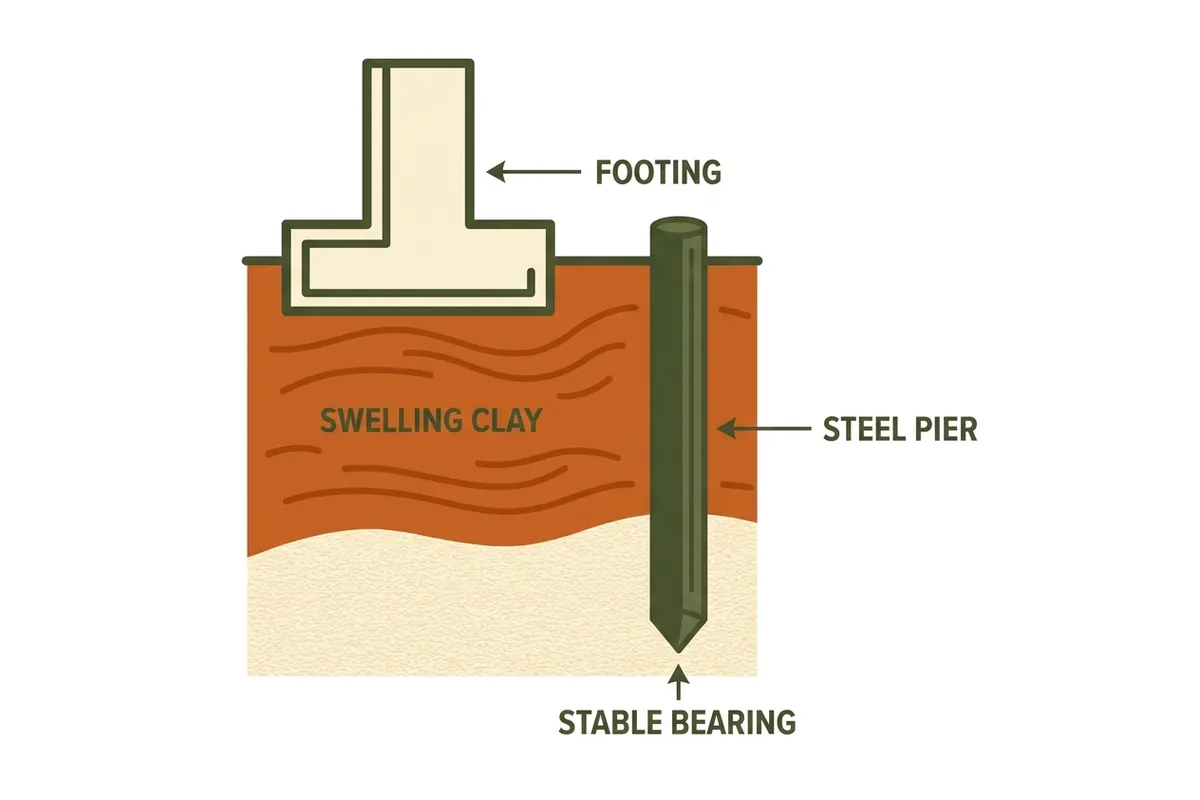
| Piered support | Load carried to firmer ground before resetting | For slabs carrying load, support must pass through the whole active clay zone |
| Tear-out and repour | The panel is replaced rather than lifted | Right where the shrink-swell cycle has already cracked the panel apart |
On chalk-belt clay the honest question is when to lift, not just how. Lift at the dry extreme and the wet season will push the panel somewhere new.
Leveling questions, straight answers
How long does concrete leveling take?
Most home slabs are lifted in one afternoon. The foam goes in through penny-sized holes, expands to fill the gap and raise the concrete, and sets within minutes, so in most cases you can drive on a lifted driveway that same day. Bigger jobs, or several panels at once, can take a full day.
Is foam better than mudjacking here?
On Black Belt clay, generally yes. Mudjacking pushes a heavy cement slurry under a slab whose base has already given way; polyurethane is far lighter, so it adds almost nothing to the load on clay that is still cycling. The holes for foam are also much smaller, which makes the patches harder to spot.
Will the slab sink again?
Not if whatever made it sink gets fixed. Foam restores the height; it does nothing about a downspout soaking the base or clay that is still drying out underneath. A good scope for a sunken slab lists the water problem right beside the lifting price, and puts the inexpensive water fix first, since that decides whether you pay for this once or twice.
Can a slab that's cracked in pieces be leveled?
Sometimes. A slab cracked into several pieces can often be raised one piece at a time, although the cracks stay visible and may need sealing. When the concrete is crumbling or the pieces no longer lock together, replacing it is the right advice, and a good specialist will tell you so instead of selling you a lift.
Get a Montgomery foundation evaluation
Tell us what the house is doing (stair-step cracks, doors that stick every August, sloping floors, separating trim) and we'll pass it to one independent local specialist for an evaluation. A local specialist who works in Montgomery will call you back.